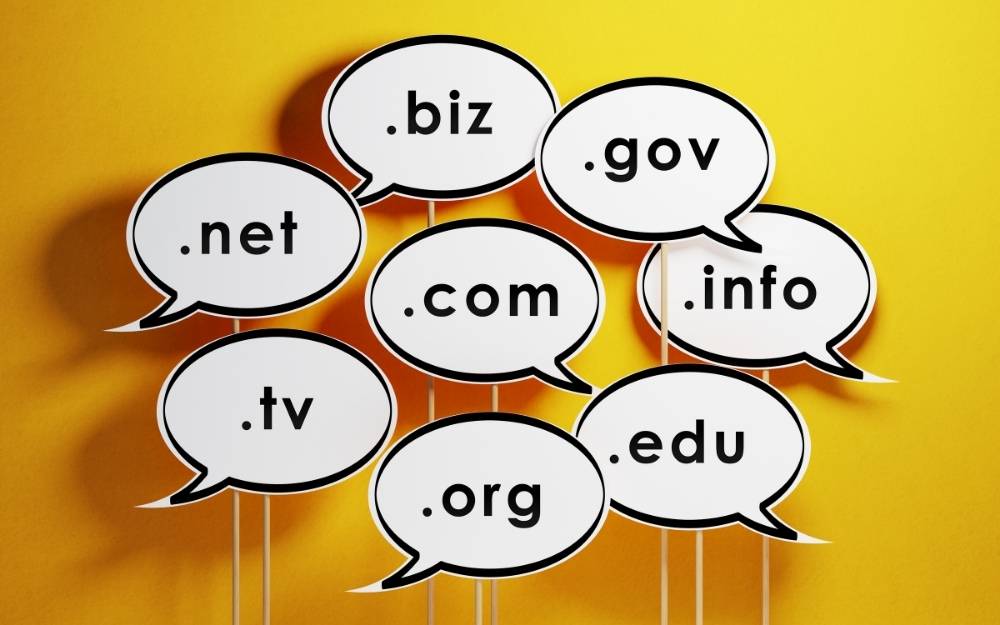
Starting a new website is often a lesson in patience that many of us simply do not have. You spend weeks perfecting the design, carefully crafting your first dozen articles, and ensuring every technical aspect is perfectly optimised for search engines. Then, you wait. You wait for the crawlers to find you, and you wait even longer for Google to decide that your site is actually trustworthy enough to appear on the second or third page, let alone the first. This period of stagnation is what many in the industry call the sandbox, and it can last anywhere from six months to a year.
It was during one of these long waits that I started looking into alternatives. I realised that while content is king, authority is the kingdom. Building that authority from a brand-new domain is an uphill battle because you are starting with a reputation of zero. This is exactly why so many experienced digital marketers choose to buy aged domain names rather than registering fresh ones. It is not just about the age of the registration; it is about the history, the existing trust, and the digital footprint that the domain has already established with search engines.
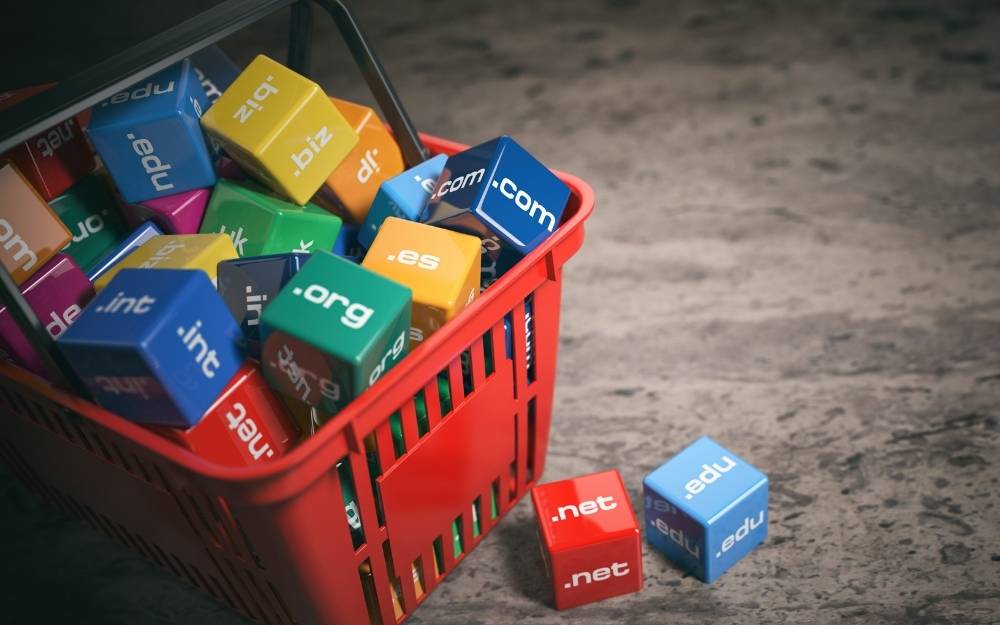
What makes an aged domain so valuable
When you register a brand-new domain, you are essentially a stranger to Google. An aged domain, however, is like a person with a long-standing credit history. If the domain has been around for five, ten, or fifteen years, it has likely survived various algorithm updates and has been indexed by search engines for a long time. This longevity suggests stability and reliability, which are key components of how search engines evaluate the quality of a site.
The real value, however, often lies in the backlink profile. A high-quality aged domain will have links from reputable sources like news outlets, universities, or established industry blogs. These are links that would take years of manual outreach and thousands of pounds to acquire if you were starting from scratch. When you buy aged domain assets, you are effectively inheriting this entire network of endorsements. This allows your new content to rank significantly faster because the site already has the “juice” required to compete in difficult niches.
The benefits of skipping the sandbox
The most immediate advantage of using an aged domain is the ability to bypass the initial ranking delay. While there is no official confirmation from Google about a “sandbox” period, the empirical evidence is overwhelming. New sites rarely rank for competitive terms in their first few months. By using an aged domain, you can often see your content indexed and ranking within days or weeks rather than months. Here are a few reasons why this happens:
- Existing crawl budget: Search engines already know the site exists and will crawl it more frequently than a brand-new domain.
- Trust signals: The domain has a history of hosting content and potentially serving users, which reduces the perceived risk for the search engine.
- Inherited authority: The power of existing backlinks flows to your new pages immediately, giving them an instant boost in the SERPs.
- Brand recognition: Sometimes, an aged domain comes with existing traffic or a brand name that people already recognise and trust.
How to conduct proper due diligence
It is important to recognise that not all aged domains are created equal. Just because a domain was registered in 2005 does not mean it is a goldmine. In fact, some aged domains can be toxic if they have been used for spammy purposes in the past. Before you commit to a purchase, you need to behave like a detective and investigate the domain’s history thoroughly.
The first port of call should always be the Wayback Machine. This tool allows you to see what the website looked like at various points in the past. You want to ensure that the site has always hosted legitimate content. If you see that a domain was once a reputable gardening blog but suddenly turned into a site for offshore gambling or pharmaceutical sales, that is a massive red flag. Such behaviour often leads to manual penalties from Google that can be incredibly difficult to remove.
Analysing the backlink profile
Once you have verified the site’s content history, you need to look at the links. A healthy domain should have a natural-looking backlink profile. You are looking for a diverse range of links from relevant, high-quality websites. If the domain has thousands of links from low-quality directories or suspicious-looking foreign language sites, it might be more trouble than it is worth. Tools like Ahrefs or Majestic are essential for this part of the process, as they allow you to see the “health” of the links and whether they are still active.
- Check for a variety of anchor texts: Over-optimised anchor text is a sign of previous manipulative SEO practices.
- Look for “no-follow” vs “do-follow” balance: A natural profile usually has a mix of both.
- Verify the source of the links: Links from .gov or .edu domains are particularly valuable and hard to fake.
- Check for any history of redirects: If the domain has been redirected multiple times, it could be a sign of a “link-churn” strategy.

Integrating an aged domain into your strategy
Once you have decided to buy aged domain names for your portfolio, you need a plan for how to use them. There are generally two main ways to approach this. The first is to build a completely new site directly on the domain. This is often the most effective method because you are keeping the site’s structure and history intact. You simply replace the old content with your new, high-quality articles, making sure to set up 301 redirects from the old URLs to your new ones to preserve the link equity.
The second method is to use the aged domain as a powerful 301 redirect to your existing main site. This can provide a significant boost to your main site’s authority, but it must be done carefully. The niche of the aged domain must be closely related to your main site. If you redirect a defunct cooking blog to a site about financial software, Google may eventually discount those links because they lack contextual relevance. Context is becoming increasingly important in modern SEO, so always prioritise relevance over raw metrics.
The cost of quality versus the price of failure
It is tempting to look for the cheapest possible options when you start your search, but in the world of aged domains, you generally get what you pay for. High-quality domains with clean histories and powerful links are in high demand and can command a premium price. However, when you consider the cost of content creation, link building, and the months of lost revenue while waiting for a new domain to rank, the investment often pays for itself very quickly.
Think of it as buying a house that is already built rather than buying a plot of land and waiting for the foundations to set. It requires more capital upfront, but you can move in and start living—or in this case, ranking—immediately. By carefully selecting your domains and performing rigorous checks, you can significantly reduce the risk and give your digital projects the best possible start in an increasingly competitive landscape. The ability to skip the queue and compete with established players from day one is a massive advantage that should not be overlooked by anyone serious about their online presence.

Liam is a historian and author with a fascination for ancient rituals and Halloween lore. He explores the origins of Halloween customs, from Celtic traditions to modern spooky practices.