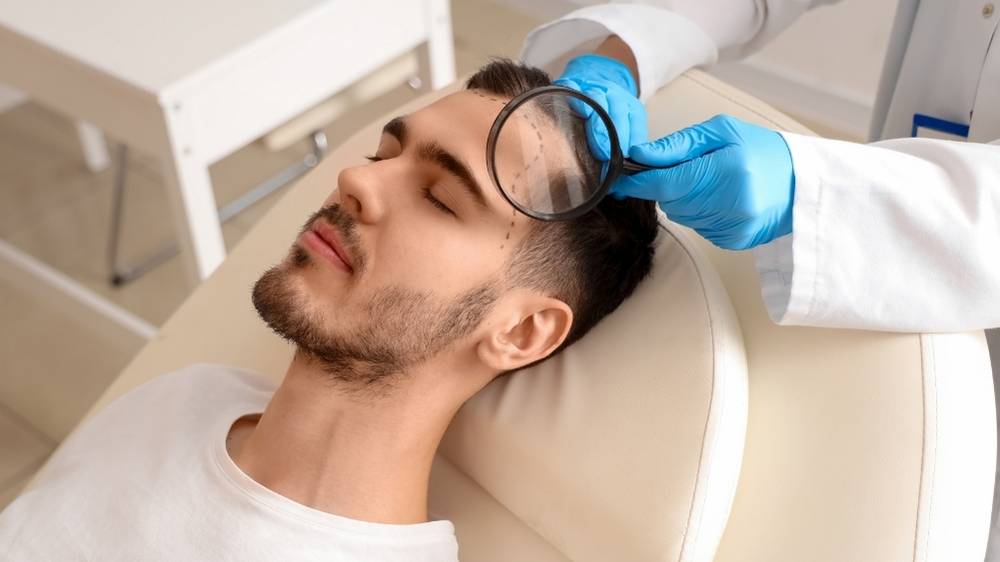
For many men and women across Scotland, the mirror can slowly become a source of frustration rather than confidence. Thinning hair or a receding hairline isn’t just a cosmetic issue; it often impacts how we carry ourselves in professional meetings or social gatherings in the city centre. However, the days when hair restoration was a taboo subject or a secret reserved for the elite are long gone. Today, finding a reputable hair transplant clinic glasgow is a practical step many are taking to regain their self-esteem and a more youthful appearance.
Glasgow has established itself as a significant hub for medical excellence in the UK, and this includes the field of hair restoration. The shift towards local treatment is driven by the desire for continuity of care. While some might be tempted by cheap packages abroad, the convenience and safety of staying close to home cannot be overstated. When you choose a local specialist, you are not just buying a procedure; you are entering into a long-term relationship with a medical team that understands your specific needs and is available for every stage of the recovery process.
Understanding the modern techniques available
The science behind hair restoration has evolved rapidly over the last decade. We have moved far beyond the unnatural ‘plug’ look of the past. Modern techniques focus on mimicry—replicating the natural growth patterns, angles, and density of your original hair. Most reputable clinics in the city will focus on two primary methods, though one has certainly become the preferred choice for those seeking minimal downtime and natural results.
- Follicular Unit Extraction (FUE): This is the most common modern technique. It involves extracting individual hair follicles from a donor area (usually the back or sides of the head) and transplanting them into the thinning areas. It leaves no linear scarring and allows for a quicker return to normal activities.
- Follicular Unit Transplantation (FUT): Also known as strip surgery, this involves removing a small strip of scalp from the donor area. While it can be effective for those needing a very large number of grafts, it does leave a linear scar that might be visible if you prefer to wear your hair very short.
- Direct Hair Implantation (DHI): A variation of FUE where follicles are implanted directly into the scalp using a specialised tool, often allowing for even greater precision in placement and angle.
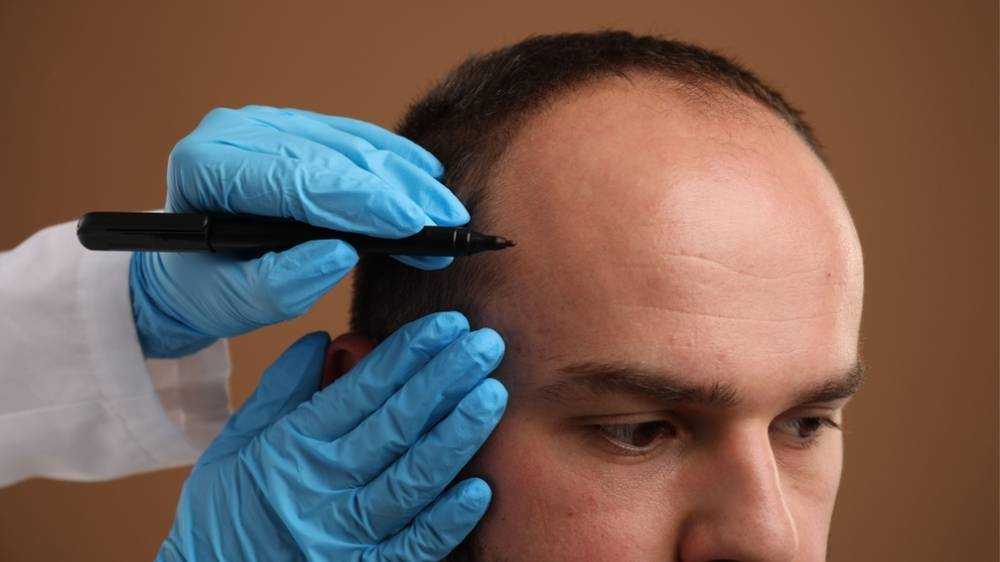
What to look for in a hair transplant clinic Glasgow
Choosing where to have your surgery is perhaps the most critical decision in your entire hair restoration journey. It is not a decision that should be based solely on price. A successful transplant requires a blend of medical precision and artistic vision. You want a surgeon who doesn’t just fill in the gaps but designs a hairline that will look natural as you age. When researching a hair transplant clinic glasgow, there are several non-negotiable factors to consider to ensure you are in safe hands.
First and foremost, check the credentials of the lead surgeon. In the UK, hair transplant surgery should be performed by a doctor who is registered with the General Medical Council (GMC). Furthermore, the clinic itself must be registered with Healthcare Improvement Scotland (HIS). These regulatory bodies ensure that the facility maintains high standards of hygiene, patient safety, and clinical governance. A clinic that is transparent about its registrations and results is one that values patient welfare above all else.
The importance of a personal consultation
A red flag in the industry is any clinic that tries to sell you a procedure over the phone or via a quick messaging app without a thorough face-to-face or detailed video consultation with the surgeon. Every scalp is different, and every pattern of hair loss is unique. A proper consultation should involve a detailed scalp analysis, often using digital trichoscopy to check the health of your donor hair and the stability of your existing hair.
During this meeting, the surgeon should be honest about what can be achieved. If your donor area is weak, a responsible doctor will tell you that a full head of hair might not be realistic, or they might suggest alternative treatments like Platelet-Rich Plasma (PRP) therapy or medication to stabilise hair loss before considering surgery. This honesty is the hallmark of a professional hair transplant clinic glasgow.
The journey from procedure to final results
It is important to manage expectations regarding the timeline of a hair transplant. It is not an overnight transformation. The procedure itself usually takes a full day, during which you can relax, watch a film, or listen to music while the surgical team works. Because modern FUE is performed under local anaesthetic, the discomfort is minimal, and most patients find the experience much easier than they initially anticipated.
The post-operative phase is where patience becomes your best friend. In the weeks following the procedure, the transplanted hairs will actually fall out. This is a perfectly normal part of the process known as ‘shock loss.’ The follicles themselves remain healthy and dormant under the skin, preparing to grow new, permanent hair. You will typically start to see new growth around the three-to-four-month mark, with the final, full results appearing between twelve and eighteen months after the surgery.
Essential aftercare steps for success
The success of your transplant depends heavily on how well you follow the aftercare instructions provided by your clinic. The first ten to fourteen days are the most critical, as this is when the newly implanted grafts are ‘setting’ into their new positions. Most clinics will provide a comprehensive aftercare kit and a schedule to follow.
- Gentle Washing: You will be given specific instructions on how to wash your hair without dislodging the grafts, usually starting a few days after the procedure.
- Avoiding Strain: Heavy exercise, swimming, and wearing tight hats or helmets should be avoided for at least two weeks to prevent pressure on the scalp.
- Sleeping Position: Many surgeons recommend sleeping with your head slightly elevated for the first few nights to reduce swelling.
- Sun Protection: The newly treated scalp is sensitive to UV rays, so avoiding direct sunlight or wearing a loose-fitting hat (once permitted) is vital for the first few months.
The value of staying local for your surgery
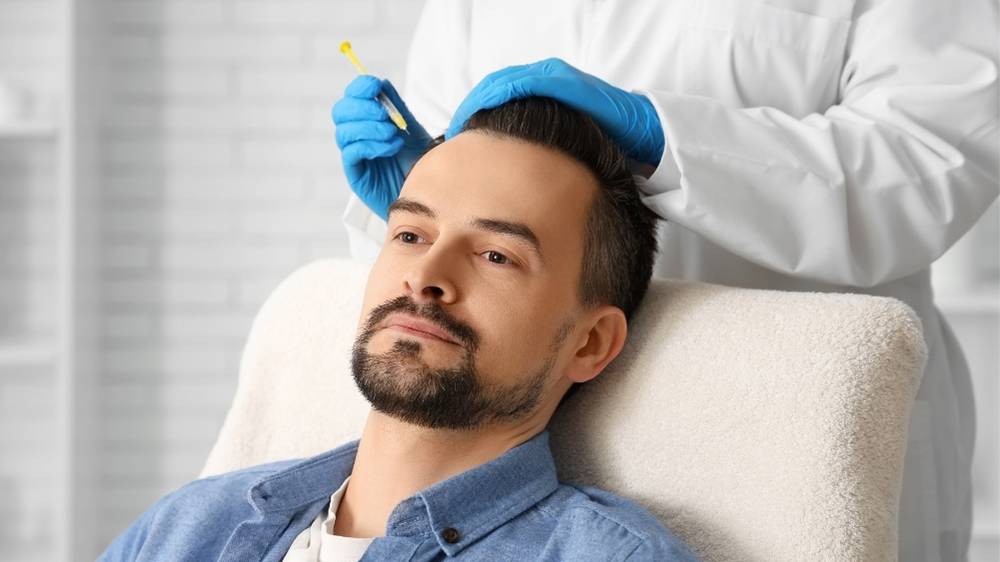
While the ‘medical tourism’ market is large, there is an immeasurable value in choosing a hair transplant clinic glasgow. If you have a question about your healing process or if you experience any unexpected swelling, you can simply pop back into the clinic for a check-up. This peace of mind is something you cannot get when your surgeon is thousands of miles away. Furthermore, a local clinic is part of the community; their reputation depends on the satisfaction of people you might see every day on the streets of Glasgow, which provides an extra layer of accountability and care.
Ultimately, a hair transplant is an investment in yourself. It is about more than just hair; it is about the feeling of looking in the mirror and recognising the person looking back at you. By doing your research, choosing a regulated and experienced surgeon, and following the recovery process diligently, you can achieve results that are not only life-changing but entirely natural in appearance. The medical landscape in Glasgow offers world-class options for those ready to take this step, ensuring that your journey toward hair restoration is safe, professional, and successful.

Liam is a historian and author with a fascination for ancient rituals and Halloween lore. He explores the origins of Halloween customs, from Celtic traditions to modern spooky practices.